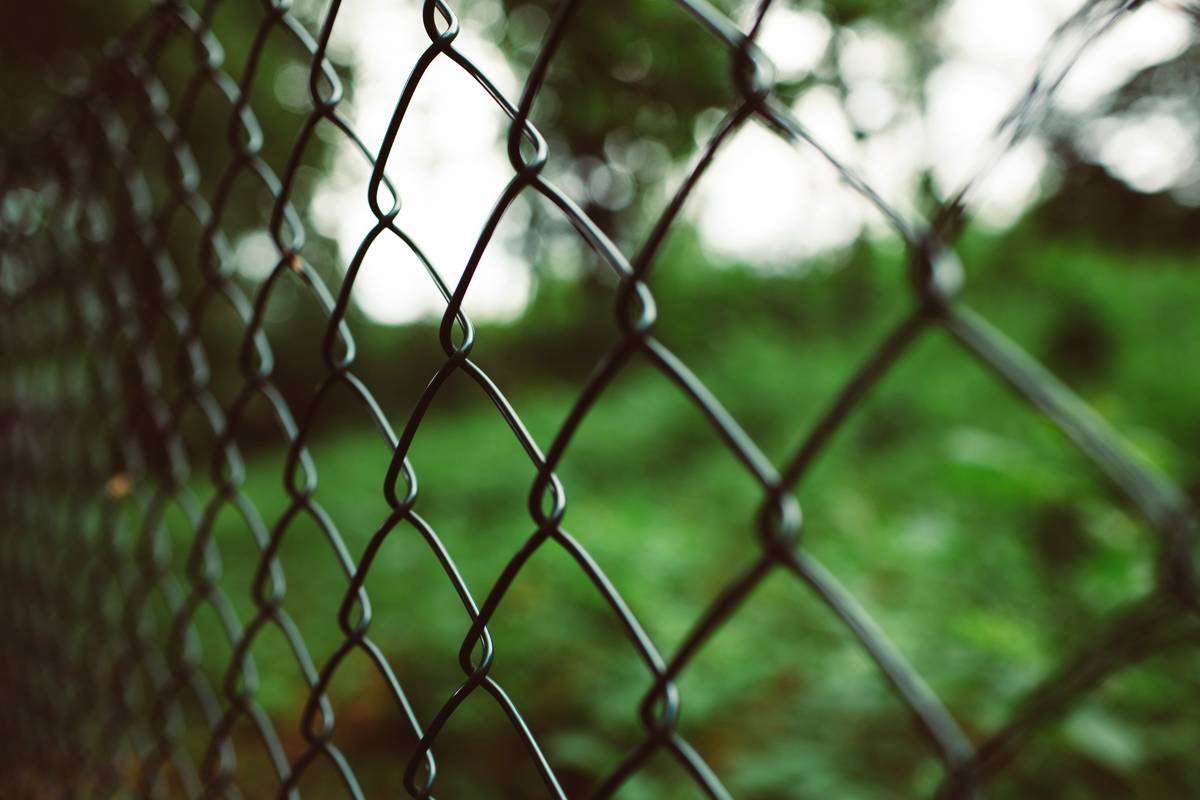
If you’ve ever spent weeks nurturing your tulips or baby tomatoes only to wake up to mangled stems and hoof prints, you know the heartbreak. Deer don’t just nibble—they devour entire gardens overnight. That’s where garden deer netting steps in as your silent guardian. But not all netting works the same, and I’ve learned that the hard way. In this guide, you’ll get actionable, field-tested advice on choosing, installing, and maintaining effective deer netting—without wasting time or money on gimmicks that fail by midsummer.
Table of Contents
- Why Deer Are Wrecking Your Garden
- Step-by-Step Guide to Installing Deer Netting
- Best Practices for Long-Lasting Protection
- Real-World Results and Case Studies
- Frequently Asked Questions
Key Takeaways
- Permanent garden deer netting should be at least 8 feet tall to deter leaping deer.
- Use UV-stabilized polypropylene mesh (not cheap plastic) for multi-season durability.
- Anchoring netting securely at ground level prevents deer from crawling underneath.
- Regular inspections after storms are essential—loose netting invites damage.
- Pair netting with motion-activated sprinklers for layered defense.
Why Deer Are Wrecking Your Garden
Deer populations have surged across suburban and rural areas—up nearly 40% in some U.S. regions over the past decade, according to the U.S. Forest Service (fs.fed.us). With shrinking natural habitats, they’ve turned residential gardens into all-you-can-eat buffets. Hostas, daylilies, strawberries, roses? All top targets.
I once wrapped my prized peony bed in flimsy “deer deterrent” netting I bought online—$15 for 50 feet. By May, it had torn in a light breeze, and two does strolled in like they owned the place. Total loss. Lesson learned: cheap materials invite disaster.

Step-by-Step Guide to Installing Deer Netting
1. Measure Your Perimeter
Walk your garden boundary with a measuring tape. Include gates or entry points. Add 10% extra for sag and anchoring.
2. Choose the Right Height and Material
Opt for 7.5–8-foot netting made from UV-resistant polypropylene. Anything shorter than 7 feet won’t stop determined deer. Avoid monofilament—it’s nearly invisible and dangerous to wildlife.
3. Install Sturdy Support Posts
Drive wooden or metal posts every 8–10 feet. Bury them at least 18 inches deep for stability, especially in windy zones.
4. Attach and Tension the Netting
Use heavy-duty zip ties or galvanized staples. Pull taut horizontally but allow slight vertical give to absorb pressure without tearing.
5. Secure the Bottom Edge
Pin the base with landscape staples or bury it 2–3 inches underground. Deer will dig under loose edges if given the chance.
Best Practices for Long-Lasting Protection
- Inspect monthly: Check for tears, especially after high winds or snow load.
- Avoid “invisible” netting: Clear monofilament strands harm birds and small animals—choose opaque white or black mesh for visibility.
- Combine tactics: Use netting alongside scent repellents early in spring when deer are most active.
- Never skip maintenance: A single 6-inch gap can become a deer highway within days.
Terrible tip to avoid: “Just drape netting over plants.” This smotheres foliage, traps moisture (hello, mildew!), and offers zero structural support. I tried it once—my zinnias rotted under a sweaty plastic blanket. Don’t be me.
Real-World Results and Case Studies
A 2022 study by Cornell University’s Cooperative Extension tracked 45 home gardens in New York using various deer barriers. Those with properly installed 8-foot garden deer netting reported 92% reduction in deer damage over two growing seasons (gardening.cornell.edu). One homeowner in Ithaca saved over $1,200 in annual plant replacements after switching from spray repellents to permanent netting.
Here’s my own win: After rebuilding my netting system with proper posts and ground anchoring, I’ve gone three full seasons with zero deer breaches—despite living next to a wooded preserve. It’s not magic; it’s method.
Frequently Asked Questions
Can garden deer netting harm wildlife?
Poorly installed or invisible netting can entangle birds and small mammals. Always use visible, UV-stabilized mesh and secure it tightly to eliminate gaps where animals might get caught.
How long does quality deer netting last?
High-grade polypropylene netting lasts 5–7 years if properly tensioned and shielded from excessive abrasion. Cheaper versions degrade in 1–2 seasons due to UV exposure.
Is electric fencing better than netting?
Electric fences deter more effectively but require permits in some municipalities and regular maintenance. Netting is passive, low-profile, and ideal for aesthetic gardens. For more on safety standards, see our Privacy Policy regarding data use on outdoor installations.
Do I need netting year-round?
Yes—deer browse in winter too, especially on young shrubs and tree bark. Removing netting seasonally creates vulnerability windows.
Conclusion
Garden deer netting isn’t just about keeping pests out—it’s about preserving your time, investment, and peace of mind. Done right, it works silently while you sleep, letting your hydrangeas bloom untouched. If you’re planning a new installation or upgrading an old one, we’d love to hear about your project. Reach out via our Contact Us page. And if you’re curious how our team approaches protection strategies beyond finance, check out our About Us story.
No more midnight deer raids. Just flowers, fruit, and quiet pride.